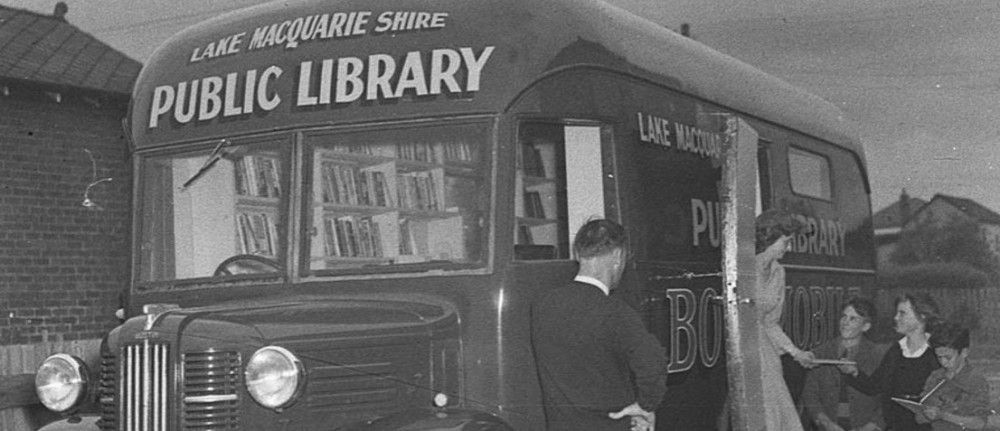
This is an extract from my data base which contians over 9,000 entries.
Motorists 1915 — A
In Alexandria, at 1 Queen St., Joseph Abbett was recorded with an Overland, registration 172, rated at 35 HP. The car was made in the U.S.A., priced at £380–395, and seated two to five. It was recorded as a taxi.
In Alexandria, at Queen St., Joseph Abbott owned an Overland, registration 11927, rated at 35 HP. It was made in the U.S.A., priced at £380–395, with seating for two to five.
At Alstoneville, William Abbott was recorded with an Albion, registration L469, rated at 16 HP. The vehicle was made in Scotland and was recorded as a lorry.
In Marrickville, Joseph S. Abbott, of George St., owned a De Dion, registration 524, rated at 9 HP. It was made in France and was also identified as De Dion Boulton.
At Lithgow, Albert B. Abbott, of Hassan’s Wall Road, owned a Buick, registration 10325, rated at 24 HP. The car was made in the U.S.A., priced at £340–385, and seated two to five. The register notes electric dynamo lights and a self starter.
At Wellington, W. C. A’Beckett owned a Cadillac, registration 3297, rated at 30 HP. It was made in the U.S.A.
At Coonamble, A.M. A’Beckett, of Nelgowrie, owned a G. W. K., registration 11037, rated at 8 HP. The vehicle was made in England, priced at £225–295, and seated three. The register notes electric dynamo lights and a self starter.
At Hornsby, Charles Abel owned an Overland, registration 8749, rated at 35 HP. It was made in the U.S.A., priced at £380–395, and seated two to five.
In Annandale, Cecil W. Abernethy, of Johnston St., owned a Belsize, registration 13005, rated at 15–9 HP. It was made in England.
At Cumnock, Kenneth Abernethy owned a Standard, registration 11170, rated at 9–5 HP. It was made in England.
In Sydney, at 109 Elizabeth St., James W. Abigail owned a Wolseley, registration 6880, rated at 12–16 HP. The car was made in England, priced at £375, and seated three.
At the same 109 Elizabeth St. address in Sydney, James W. Abigail also owned a F.I.A.T., registration 4765, rated at 15–25 HP. It was made in Italy, priced at £725–950, and seated seven.
At Barellan, Robert W. Abrahams owned a Swift, registration 1428, rated at 16 HP. It was made in England.
In Randwick, at Waratah Ave., Flor. J. Abrahams owned an S.C.A.T., registration 7932, rated at 22–30 HP. It was made in Italy.
At 75 Cleveland St., Redfern, Abrahams & Williams were recorded with an Alldays, registration 1939, rated at 14 HP. The vehicle was made in England.
At Gladesville, on Ross St., John E. Ackland owned a Flanders, registration 13223, rated at 20 HP. It was made in the U.S.A.
At Newcastle, Alfred S. Ackroyd owned a Ford, registration 5599, rated at 20 HP. The car was made in Canada, priced at £180–195, and seated two to five.
At Orange, Acme Eng. Works, of Lords Place, was recorded with a Bianchi, registration 3566, rated at 18–20 HP. It was made in Italy, priced at £575, and seated five.
In Petersham, at Albert St., Thomas Acton owned a Wolseley, registration 3200, rated at 16–20 HP. It was made in England, priced at £690, and seated seven.
At Mudgee, on Church St., Dennis B. Acton owned a Ford, registration 5442, rated at 20 HP. It was made in Canada, priced at £180–195, and seated two to five.
In Petersham, at Eden, Albert St., Thomas Acton also owned a Star, registration 10615, rated at 10 HP. It was made in England, priced at £420, and seated two.
At Drummoyne, on Bridge St., Joseph Ada owned a Belsize, registration 11507, rated at 10–12 HP. It was made in England.
At North Sydney, on Crow’s Nest Rd., David Adams owned an S. Squire, registration 12381, rated at 15 HP. It was made in England.
At Forest Lodge, at 272 Bridge Rd., George E. Adams owned a Singer, registration 12681, rated at 10 HP. It was made in England, priced at £285, and seated two.
At Dubbo, F.C.S. Adams owned a Talbot, registration 1257, rated at 10–12 HP. It was made in England.
At Albury, G. S. Adams owned a Star, registration 3117, rated at 10 HP. It was made in England, priced at £420, and seated two.
In Sydney, at the Tatts Hotel, Pitt St., William J. Adams owned a F.I.A.T., registration 72, rated at 35–45 HP. It was made in Italy, priced at £950, and seated seven.
At Albury, George Adamshurst owned a Fafnir, registration 11458, rated at 16–25 HP. It was made in Germany, priced at £450, and seated five.
At the Commercial Hotel, Narrandera, Silas Adamshurst owned a Daimler, registration 10130, rated at 20 HP. It was made in England, priced at £775, and seated five. The register notes a self starter and electric dynamo lighting.
At the Hotel Australia, Sydney, William J. Adamshurst owned a Rolls Royce, registration 9460, rated at 40–50 HP. It was made in England.
At Double Bay, on Henrietta St., Henry C. Adams owned a Ford, registration 8873, rated at 20 HP. It was made in Canada, priced at £180–195, and seated two to five.
In Sydney, at 175 Clarence St., W. J. Adams owned a Wolseley, registration 9881, rated at 16–20 HP. It was made in England, priced at £690, and seated seven.
At Sydney, at 253 Pitt St., William J. Adams owned a Daimler, registration 4367, rated at 25 HP. It was made in England and seated five. The register notes a self starter and electric dynamo lighting.
At Dubbo, on Macquarie St., F. C. S. Adams owned a Talbot, registration 9906, rated at 12 HP. It was made in England.
At Bungowannah, Harold S. Adeney, of Langlands, owned a Hotchkiss, registration 11320, rated at 16 HP. It was made in France.
In Sydney, Horace W. Adey, care of Davis Co., Martin Place, owned a Packhard, registration 8463, rated at 30 HP. It was made in the U.S.A.
At the Motor Garage, Nabiac, John Affleck owned a Ford, registration 12139, rated at 20 HP. It was made in Canada, priced at £180–195, and seated two to five.
At Summer Hill, at 10 Junction Rd., Ernest E. Agate owned a Holsman, registration 5300, rated at 10 HP. It was made in the U.S.A.
In Sydney, at 18 Pitt St., James S. Agnew owned an Albion, registration L200, rated at 16 HP. It was made in Scotland and was recorded as a lorry.
At Sydney, on Brook St., Albert Agnew owned a Buick, registration 6823, rated at 20 HP. It was made in the U.S.A., priced at £340–385, and seated two to five. The register notes electric dynamo lights and a self starter.
At Sydney, at 18 Pitt St., James S. Agnew also owned an Albion, registration L79, rated at 16 HP. It was made in Scotland and was recorded as a lorry.
At Cobar, at Nekarboo Station, Louis L. Agnew owned a Waverely, registration 7828, rated at 10–12 HP. It was made in England, priced at less than £375, and seated three.
At Kiama, John D. Ahearn owned a Humber, registration 11500, rated at 11 HP. It was made in England, priced at £425, and seated four. The register notes Electric Dynamo Lighting and a Self starter.
In Sydney, with the Union SS. Co., George St., David A. Aiken owned a Minerva, registration 11952, rated at 18 HP. It was made in Belgium.
At Kensington, on Bunnerong Rd., Percy N. Aiken owned a Ford, registration 11021, rated at 20 HP. It was made in Canada, priced at £180–195, and seated two to five.
At Young, on Lovell St., Adam Aikman owned a Brasier, registration 905, rated at 16–20 HP. It was made in France.
In Balmain, at 10 High St., William Ainsworth owned a De Dion, registration 2059, rated at 4.5 HP. It was made in France and was also identified as De Dion Boulton.
At Kempsey, on Smith St., Harold Ainsworth owned a Bayard, registration 8907, rated at 8–9 HP. It was made in France, priced at £285, and seated two. It was also identified as Clement-Bayard.
At Cumnock, on Bruce St., Ivy Aird owned a Metz, registration 7409, rated at 22 HP. It was made in the U.S.A., priced at £190, and seated three.
At Strathfield, on Vernon St., Joseph W. Airey owned a Crossley, registration 9319, rated at 15–20 HP. It was made in England, priced at £625–725, and seated four.
At Ultimo, on Bulwarra Rd., Aitken Bros. owned a Hupmobile, registration 2271, rated at 20 HP. It was made in the U.S.A.
At Thirroul, Frederick A. Akhurst owned an Alldays, registration 1239, rated at 8 HP. It was made in England.
At Elizabeth Bay, on Billyard Ave., Michael S. Albert owned an Anderson, registration 7777, rated at 5 HP. It was made in the U.S.A.
At Hamilton, on Everton St., Guy Albutt owned a Hupmobile, registration 12108, rated at 14 HP. It was made in the U.S.A.
At Forbes, on Brown St., John M. Alcorn owned a Buick, registration 7780, rated at 22 HP. It was made in the U.S.A., priced at £340–385, and seated two to five. The register notes Electric Dynamo Lighting and Self-Starter.
At Newcastle, Robert S. Aldeeon owned a Metz, registration 7919, rated at 22 HP. It was made in the U.S.A., priced at £190, and seated three.
At Sydney, on 121 Palmer St., William Aldridge owned a Parry, registration 163, rated at 35 HP. It was made in the U.S.A. and was recorded as a taxi.
In Sydney, at the Hotel Australia, Mrs. F. Alexander owned a La Ponete, registration 13020, rated at 12–16 HP. The register gives no country of manufacture or seating information.
At Randwick, on Frenchman’s Road, David N. Alexander owned a Star, registration 3151, rated at 12–16 HP. It was made in England, priced at £515, and seated five. The register notes electric dynamo lighting.
At Granville, on William St., Frank L. Alexander owned an F.N., registration 3466, rated at 10–14 HP. It was made in Belgium, priced at £515, and seated three.
At Bulga, Chas. B. Alexander owned a Daimler, registration 1608, rated at 38 HP. It was made in England and seated five. The register notes a self starter and electric dynamo lighting.
At Moree, James Alexander, of Sunbury, owned a B.S.A., registration 8698, rated at 15 HP. It was made in England, priced at £500–525, and seated three to five.
At Manly, on 13 Ocean St., May B. M. Alger owned a Ford, registration 10360, rated at 20 HP. It was made in Canada, priced at £180–195, and seated two to five.
At Potts Point, on 52 Macleay St., William Alison owned a Napier, registration 11998, rated at 20 HP. It was made in England, priced at £725, and seated five to seven.
At Goulburn, on Yass Rd., Thomas T. Alkin owned a Hupmobile, registration 6621, rated at 32 HP. It was made in the U.S.A.
At Ashfield, on 3 King St., William Allan owned a Hupmobile, registration 13275, rated at 16–9 HP. It was made in the U.S.A.
At Culcairn, S. J. Allardyce owned a Buick, registration 10857, rated at 20 HP. It was made in the U.S.A., priced at £340–385, and seated two to five. The register notes electric dynamo lights and a self starter.
At Coogee, on Belmont Rd., Frank R. Alldrit owned an Itala, registration 7321, rated at 14–20 HP. It was made in Italy.
At Manilla, Benjamin Allen owned a Buick, registration 11804, rated at 22 HP. It was made in the U.S.A., priced at £340–385, and seated two to five. The register notes Electric Dynamo Lighting and Self-Starter.
At Wollongong, Herbert Allen owned a Ford, registration 12720, rated at 20 HP. It was made in Canada, priced at £180–195, and seated two to five.
At Sydney, at Tattersall’s Club, Barnet Allen owned a Star, registration 6971, rated at 15 HP. It was made in England, priced at £515, and seated five. The register notes electric dynamo lighting.
At Camden, on John St., Hugh G. Allen owned a Hupmobile, registration 3932, rated at 30 HP. It was made in the U.S.A.
In 1915, when Holderness Motorist’s Guide set out to record every car and owner in New South Wales, it captured more than machines—it preserved the lives and ambitions of their owners. Each of the 9,318 entries in this database tells a fragment of a story: a grazier who invested his wool profits in a sturdy American touring car; a Sydney surgeon who preferred the refinement of a French-built roadster; a country publican whose small two-seater brought him status as well as convenience.
 The origins of this register lie in the Finance Tax of 1914, which required vehicles to be taxed according to horsepower. What might have been a dry exercise in revenue-raising instead left behind intimate glimpses of individuals. Alongside technical details—cylinder sizes, gear ratios, and even original purchase prices—we glimpse the class distinctions and personal choices of those who could afford a car in 1915.
Some entries are bare, lacking registration numbers or technical specifications; others are richly detailed, spelling out the cost of a machine that might equal several years’ wages for an ordinary worker. Where the guide left blanks, researchers have filled the gaps from contemporary sources, even tracing the origins of the cars themselves—whether French, German, British, or American—restoring the international reach of early motoring in New South Wales.
To read across the database is to move through a mosaic of lives. It speaks of pioneers on the dusty inland roads, professionals in the growing suburbs, and families who saw the motorcar as both tool and symbol. Each entry, however brief, marks the moment when its owner stepped into modernity—when horsepower meant not only taxation, but the thrill of the road.