
People & Places NSW 1832 to1919
This database is designed to help researchers enrich the family tree—adding foliage rather than simply tracing bare branches. It moves beyond the common “womb to tomb” or “cradle to grave” approach, which often records little more than birth, marriage, and death dates.
Serious research demands more than a list of names and dates or the boast of how far back one can trace a lineage. True understanding comes from uncovering the details that bring ancestors to life—occupations, wages, landholdings, licences, and other records that reveal the texture of their days.
It is my hope that the databases I have compiled will help foster a deeper appreciation of the lives and times of those who came before us.
Lives Between the Lines: Records from Colonial and Early Federation NSW
Between the neat columns of parliamentary returns and the ordered pages of government directories lies the pulse of everyday life in nineteenth-century New South Wales. This collection of more than 50,000 entries, spanning from Raymond’s Postal Directory of 1832 to 1919, draws its richest colour from the turbulent late 1880s—a decade of rapid change, political unrest, and shifting livelihoods.
The sources are as varied as the stories they hold. The Votes and Proceedings of the Legislative Assembly and the Journals of the Legislative Council yield much more than the business of government. The yearly Parliamentary Blue Books, with their dense statistics and administrative listings, prove to be treasure troves for the social historian. Hidden among debates and departmental reports are glimpses of ordinary people navigating the rules and opportunities of their time.
Some entries tell of men hauled before the authorities for taking undersized fish, working without a licence, or speaking a little too freely to the Fisheries Inspector. Others record the quiet ambitions of oyster farmers applying for leases along the colony’s waterways. The welfare rolls list pensions for the widows and children of policemen and other public servants—a reminder of lives cut short and communities left behind.
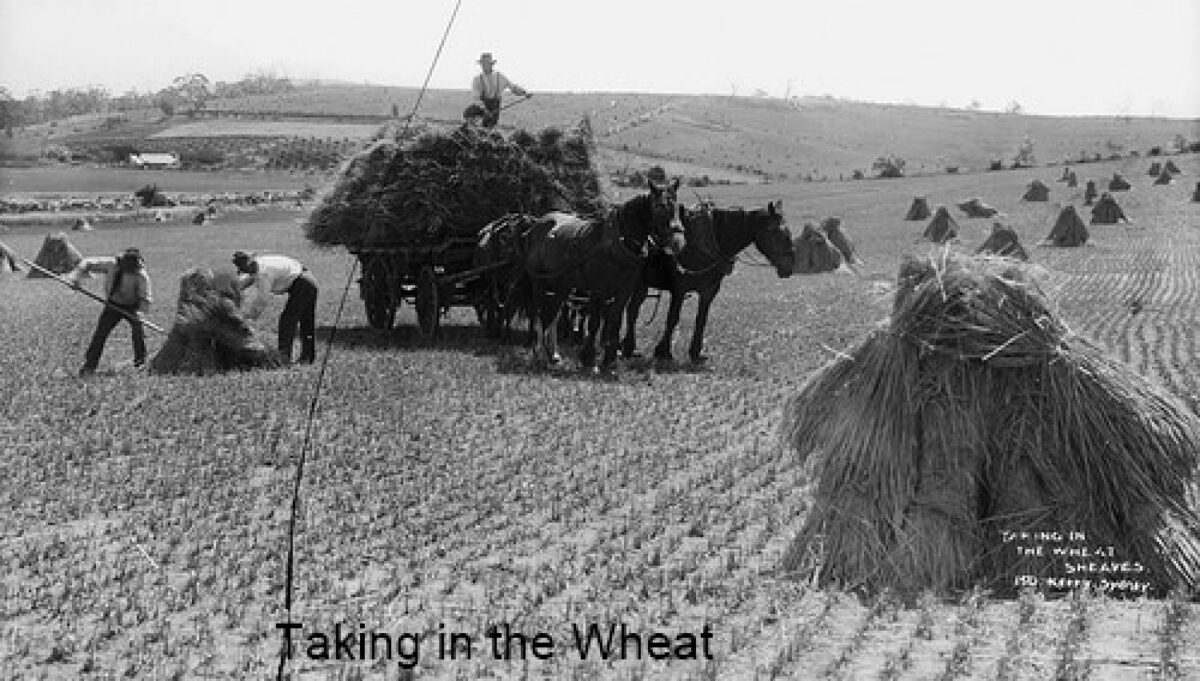 The professional registers speak of skill and education: medical practitioners named alongside their hard-won qualifications, and the universities and hospitals—often far across the seas—where they trained. There are the men contracted to carry the colony’s lifeline: the mail. One such entry notes Patrick Egan of Cooma, earning £85 per year to ride thirty miles on horseback, once a week, from Cooma to Buckley’s Crossing, via Woolway and Jejizrick.
Taken together, these records move far beyond names, births, and deaths. They map the connections between people, places, and the machinery of colonial life. They offer the modern researcher not only the bare facts of existence, but the texture of it—the rules broken, the risks taken, and the rhythms of work and travel in a young and growing land.
During the middle decades of the nineteenth century, the right to vote in New South Wales was not a universal entitlement but a privilege determined by property and residence. The electoral rolls for Northumberland and Hunter in 1851–1852, and for the Upper Hunter in 1878–1879, capture this reality in precise detail. Each entry records not only the elector’s name and place of residence, but the very basis of their qualification—whether by freehold ownership, simple residence, or possession of a dwelling house. Such lists offer a snapshot of a society where the vote was both a mark of status and a reflection of the colony’s evolving political framework.
By the turn of the century, another strand of record-keeping was unfolding in the offices of the Department of Lands. The 1900 staff register is unusually rich in personal and professional information, listing employees’ names, their positions, salaries and allowances, as well as dates of birth, the date each entered the Department, and when they were appointed to their current post. For researchers, this single document brings together demographic, career, and administrative history in a way few surviving records do.
The Votes and Proceedings of the Legislative Assembly provide their own insights. In the 1894–1895 session, a return was printed showing the pensions granted to public officers compelled to retire on the grounds of ill health—a reminder of the precarious nature of colonial public service, where injury or infirmity often ended a career abruptly. The Blue Book of 1890, meanwhile, listed those appointed as Guardians of Minors, empowered to give legal consent to marriages in the absence of a parent or natural guardian, illustrating the colony’s regulation of marriage and family affairs.
Not all colonial applications for land met with success. The Return of Conditional Purchasers Disallowed between 1862 and 1863 preserves the official reasons for refusal, some of which reveal the era’s social and legal restrictions in stark terms. One such case was that of Margaret Corrigan of Broulee, whose application for fifty acres was refused on the grounds that “a wife in her husband’s lifetime [was] disqualified from making a conditional purchase.” In this single line, the record encapsulates the legal limitations imposed on married women in mid-nineteenth-century New South Wales.
Together, these records—whether lists of electors, civil servants, pensioners, guardians, or failed land applicants—paint a textured portrait of a colony in transition. They speak of opportunity and exclusion, of the growth of government bureaucracy, and of the many ways in which the law shaped the daily lives of its people.
The list of those holding a license to sell stamps provide the full address of many shopkeepers sometimes not always available in PO Directories. There are 2269 listed as such to date. I have used a number of post office directories for some towns and places which may not now be found as such. Country Post offices directories published by Meyers, Sands, Bailliere and Raymond for years 1832, 1867, 1878, 1881 and 1889 are listed. Selected extracts from Sydney and Newcastle Directories are included.
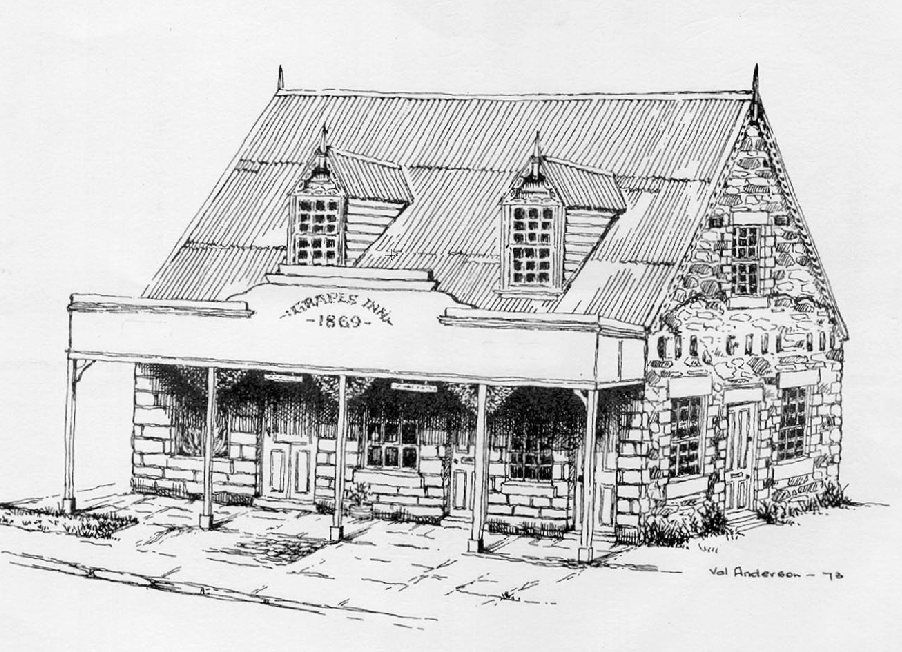 The 1898 Country Directory of Trades persons provides the names and occupation of many residents of country towns whilst Wise’s Commercial directory for 1900 adds to these names. The latter also lists the names of Stations and the owners of Runs having over 2,000 sheep or 500 head of cattle. As an aside the number of properties owned by the banks is a indication of the devastating effect of the so called ‘Federation Drought’ of 1895 – 1903 which destroyed half the continent’s sheep.
In many listings the town or place listed has since disappeared. In other cases, the place names refer to a topographical feature such as a creek, plain or hill. Thus in the list of publicans and their hotel the name of the hotel may appear for example as ‘Boundary Hotel, Stinking Lagoons, Bourke Licensing District ‘. In a number of entries I have also included the Aboriginal meaning for the place or town name, for example Barraba . Abor. meaning ‘place of the yellow jacket trees.
For some entries, in particular in the Civil Service records the ‘town or place’ is not stated. This is particularly so for records relating to Railways employees. In these entries I have assumed the default place of employment is Sydney. In others recorded as ‘Not stated’. The entries from the Postmaster General Department whilst nominated in the database as ‘place’ are in many cases the place of employment i.e post office rather than place of residence.
The Civil Service records of the NSW Public Service for 1885 has the names of over 3000 employees of the NSW Department of Education. The names and the schools for teachers, pupil teachers, probationary teachers, itinerant teachers, mistress, and School Attendance Officers together with their classification are listed. Many of the schools have long since disappeared or closed but may be of interest for those whose ancestors were teachers.
For the data sourced from the ‘Return of Sudden Deaths, or Deaths by Accident or Violence on which Coroner’s Inquest or Magisterial Inquires have been held’ the name of the place of death for many is that of a properties or just the river or creek. For example – ‘Near Golgol lake, 30 miles from Wentworth; committed suicide with a razor whilst in a state of insanity.” Other databases sourced provide lists of orphans and their placement in 1862, 1863 and 1870.I will leave it up to the researcher to draw their own conclusions from this list. Minsters of various churches and their salaries.
I have also now included particulars relating to Singleton residents who served in the Boer War and the Great War , 1914 – 18.
Using the resources from Catherine Foggo, Inns and Hotels 1825 – 1900 I have extracted the names of Publicans and their Hotels and included them in this database. This is a break from my normal policy of using primary sources only. However, I have only used those entries she has obtained from primary sources such as the Maitland Mercury.
Some lateral thinking is required when you search these databases. Follow this link for examples of how the data is presented.
References – Historical Sources 1832–1895
The collection spans more than six decades, drawing from government reports, parliamentary records, gazettes, and directories that document the people, institutions, and events of New South Wales. Together, they form a rich backdrop for tracing individuals, professions, and community life in the 19th century.
Early Directories and Colonial Records (1832–1860s)
The journey begins with Raymond’s Post Office Directory of 1832–33, one of the earliest systematic listings of residents and businesses. This is complemented by Wells’ Dictionary of the Australian Colonies (1848) and the NSW Calendar and Post Office Directory, which provided practical information for settlers navigating the young colony.
By 1861, the Votes & Proceedings of the NSW Legislative Assembly recorded an Ecclesiastical Return—detailing each parish, its minister, salary, parsonage, glebe value, and church capacity, along with average attendance. That same year, the Assembly also documented the names of Windsor District residents who received relief (in the form of flour, tea, and sugar) after devastating floods.
The NSW Government Gazette of 1862 further expanded the official record.
Postal Services and Ecclesiastical Returns (1863–1869)
The Postmaster General’s Report for 1863 listed every post office and stamp-seller in New South Wales as at 31 December that year—a theme repeated in subsequent reports of 1866.
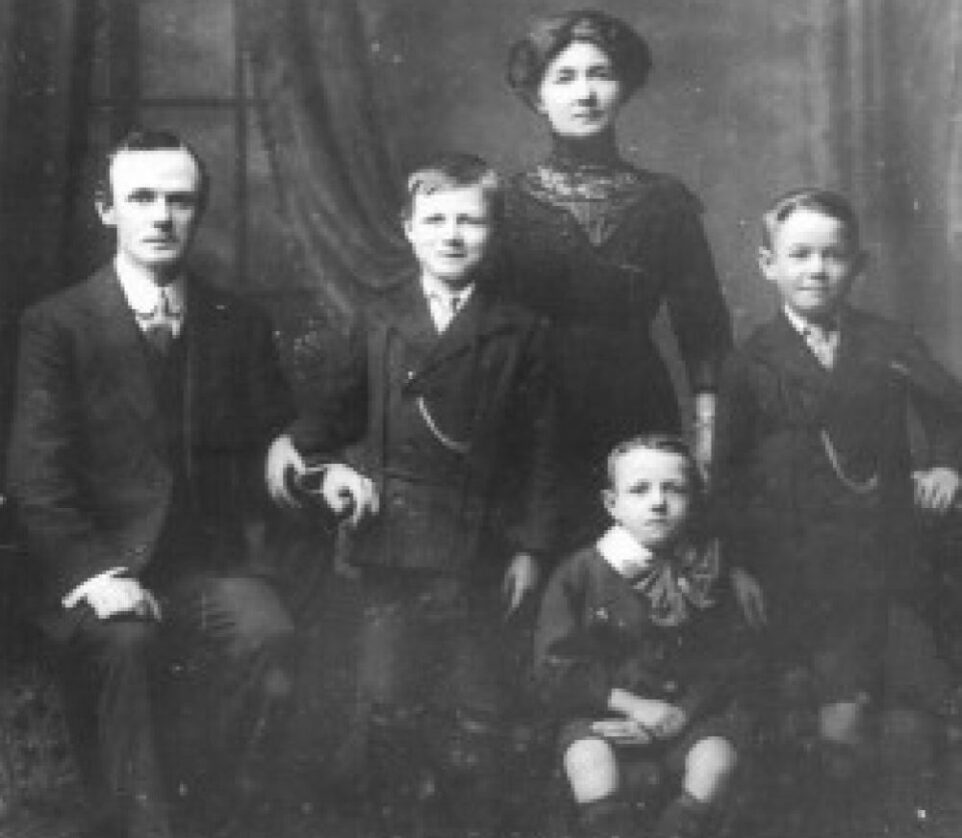 Ecclesiastical Returns for 1866–68, recorded in the Votes & Proceedings, spanned multiple denominations—Church of England (Sydney, Newcastle, Goulburn dioceses), Roman Catholic, Presbyterian, and Wesleyan Methodist—providing ministers’ names, appointment dates, and salaries.
The Civil Service Appointments lists (January 1866–October 1868) reveal the bureaucratic backbone of the colony, while the Blue Book of 1869 names Sheep Directors, Crown Land Agents, and Pastoral District Commissioners, alongside a detailed Return of the Ecclesiastical Establishment for the Roman Catholic Church.
The Education Report of 1867 added an invaluable layer—naming denominational school teachers, their salaries, and pupil numbers for Church of England, Presbyterian, Wesleyan, and Roman Catholic schools.
Public Safety, Commerce, and Local Governance (1870–1883)
The Votes & Proceedings of 1870 included a Return of Sudden Deaths and deaths by accident or violence, on which inquests or magisterial inquiries were held—a rare and sobering record of life’s hazards.
Greville’s Post Office Directory of 1872 mapped the colony’s postal network, while the Government Gazette of 1876 recorded timber and other licenses. By 1877, the Blue Book listed key developments in the Postmaster General’s Electric Telegraph service.
The Sands Post Office Directory of 1878–79 introduced civic detail, listing aldermen and mayors for 166 country municipalities. The NSW Government Gazette of 1882 provided extensive lists of licensed publicans, auctioneers, spirit merchants, colonial wine dealers, packet operators, and brewers. That year’s Blue Book also covered railway staff under the Secretary for Public Works and post office staff under the Postmaster General.
Medicine, Landholding, and Insolvency (1884–1887)
The 1884 Votes & Proceedings included the annual list of stamp-sellers. The NSW Medical Board Register for 1885 documented all registered medical practitioners, while the Parliamentary Return of Landholders surveyed land occupiers and stock owners.
Government Gazettes of 1885 included detailed accounts of insolvent estates. The Blue Book of 1886 featured reports on internal communication via the Railway Branch. The Votes & Proceedings also recorded a petition dating back to 1879 for extending the Western railway to Forbes.
Local directories, such as the Newcastle Directory & Almanac for 1881, added a regional layer of detail. By 1887, Civil Service Estimates listed total remuneration for public officers holding multiple posts or receiving special allowances.
Law, Fisheries, and Public Service (1890–1895)
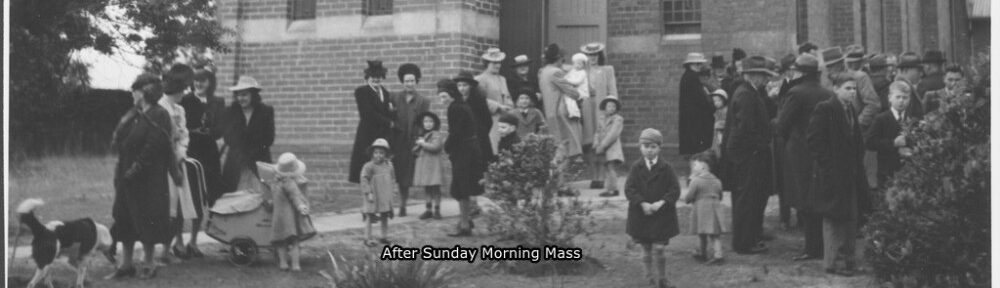 The Blue Book of 1890 and Votes & Proceedings of that year included appointments of Guardians of Minors to consent to marriages. The 1892 records feature prosecutions under the Fisheries Act 1881 and Oyster Fisheries Act 1884, as well as staffing details from the Commissioners of Fisheries.
The 1893 returns listed government-rented premises used by police, military, public works, education, land, and postal services, as well as the names of employees in the Harbours & Rivers Department. The same year’s appendices also listed stamp-sellers and provided staff rosters for the Fisheries Commission.
Finally, the Votes & Proceedings of 1894–95 (Appendix III) detail pensions granted, including reasons for retirement—closing this chapter of the 19th-century documentary record.
1898 Commercial Directory of Tradesperson.
1900 Wise Commercial Directory
1904 Electoral Roll Singleton 1903-1904
1913 NSW Electoral Roll